

Introduction
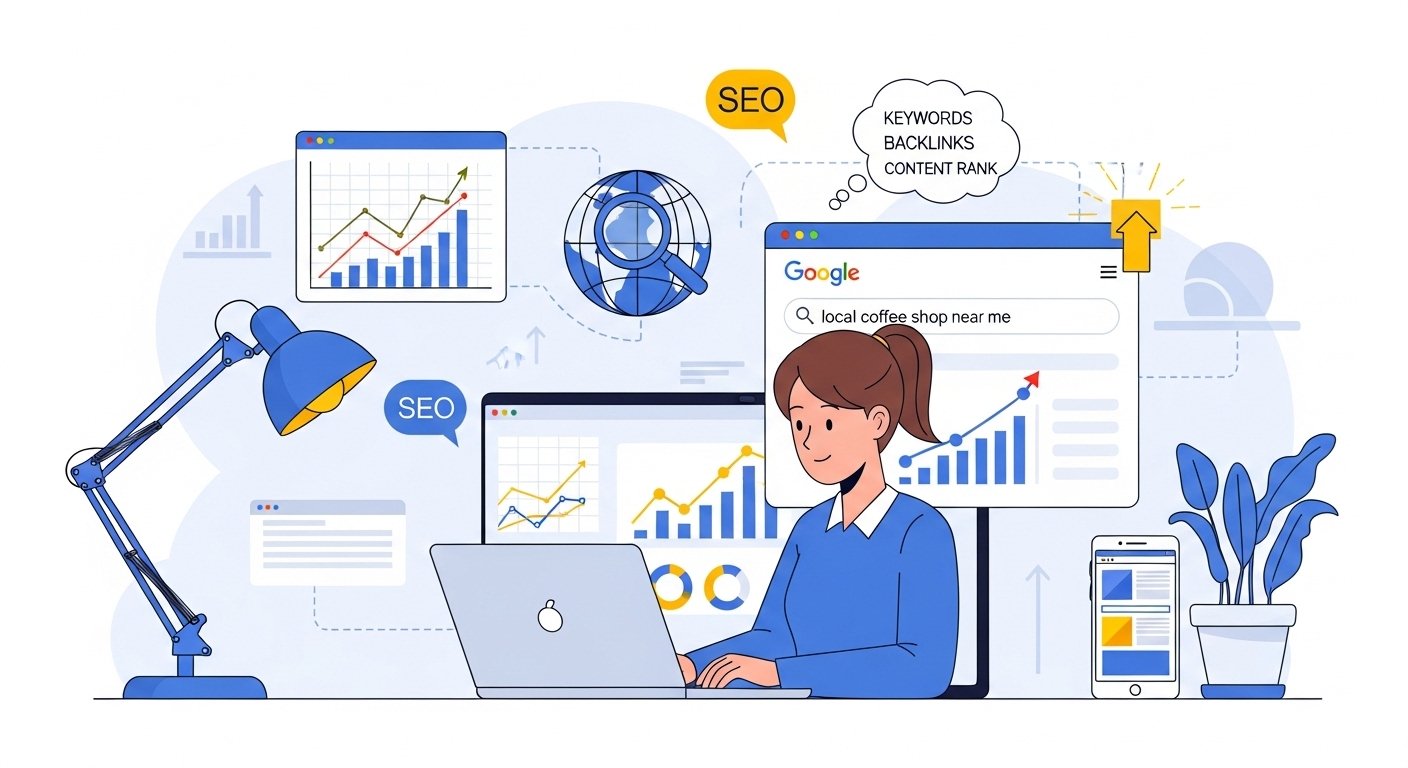
If you own a small business, getting customers online can feel difficult. Millions of websites compete for attention, and without the right strategy, your website may never appear in front of potential customers. This is where Search Engine Optimization (SEO) becomes extremely important.
SEO is the process of improving a website so it ranks higher in search engines like Google. When your website appears at the top of search results, more people can find your business, visit your website, and eventually become customers.
For small businesses, SEO can be one of the most powerful digital marketing strategies. It helps generate consistent organic traffic, builds credibility, and allows smaller companies to compete with larger brands online.
In this guide, you’ll learn what SEO is, how it works, and why it is essential for small businesses. We will also explain the main components of SEO, how long it takes to see results, and practical strategies that can help your business grow through search engines.
By the end of this article, you will understand exactly how SEO works and how it can help your business attract more customers online.
Table of Contents
- What is SEO
- Why SEO is Important for Small Businesses
- How Search Engines Work
- The Three Main Types of SEO
- Key SEO Ranking Factors
- Benefits of SEO for Small Businesses
- Local SEO and Why It Matters
- Ecommerce SEO for Online Stores
- How Long Does SEO Take to Work
- Simple SEO Tips for Small Businesses
- When to Hire an SEO Agency
- Final Thoughts
What is SEO?
Search Engine Optimization, commonly known as SEO, is the practice of improving a website so it appears higher in search engine results pages (SERPs). When people search for information, products, or services on Google, the search engine displays the most relevant websites based on its ranking algorithm.
The goal of SEO is to help search engines understand your website content and determine whether it is valuable for users. Websites that provide useful content, fast performance, and a good user experience are more likely to rank higher in search results.
For example, if someone searches for “best digital marketing agency for small business,” Google will analyze thousands of websites and display the most relevant pages.
Businesses that invest in SEO increase their chances of appearing at the top of these results. This visibility leads to more website traffic, more inquiries, and more sales.
Why SEO is Important for Small Businesses
Small businesses often operate with limited marketing budgets. Unlike large corporations, they cannot always spend thousands of dollars on advertising campaigns. SEO provides a cost-effective solution to attract customers without relying entirely on paid ads.
Here are several reasons why SEO is important for small businesses.
Increased Online Visibility
When your website ranks on the first page of Google, more people can discover your business. Most users rarely go beyond the first page of search results, so ranking higher significantly increases visibility.
Targeted Traffic
SEO helps attract visitors who are actively searching for the products or services you offer. This means the traffic you receive is more likely to convert into customers.
Long-Term Growth
Unlike paid advertising, SEO generates long-term benefits. Once your website begins ranking for keywords, it can continue to attract traffic for months or even years.
Trust and Credibility
Websites that rank at the top of search results often appear more trustworthy to users. Strong SEO helps build authority and credibility in your industry.
For businesses looking to grow their online presence, investing in professional SEO services can significantly improve website rankings and organic traffic.
How Search Engines Work
To understand how SEO works, it is important to understand how search engines operate.
Search engines use automated programs called bots or crawlers to scan websites across the internet. These bots collect information about webpages and store it in a massive database called an index.
The process involves three main stages.
Crawling
Search engine bots crawl websites by following links from one page to another. During this process, they discover new content and updates.
Indexing
After crawling a page, search engines analyze its content and store it in their index. This index acts like a digital library containing billions of webpages.
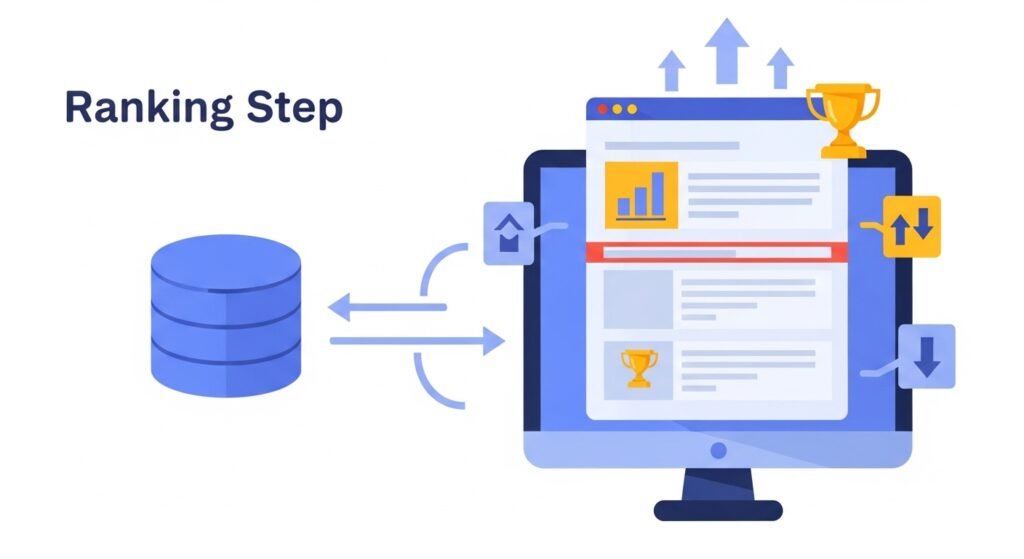
Ranking
When a user enters a search query, the search engine scans its index and ranks pages based on relevance and quality.
SEO helps optimize your website so that it performs well in all three stages.
The Three Main Types of SEO
SEO consists of multiple strategies that work together to improve search rankings. The three main types of SEO are on-page SEO, technical SEO, and off-page SEO.
On-Page SEO
On-page SEO focuses on optimizing the content and structure of individual pages. This includes improving headings, titles, images, keywords, and internal links.
Good on-page SEO helps search engines understand the topic of your page while also improving the user experience.
Key elements include:
- Keyword optimization
- High-quality content
- Proper heading structure
- Meta descriptions
- Internal linking
Technical SEO
Technical SEO involves optimizing the backend structure of a website to help search engines crawl and index it effectively.
Important aspects of technical SEO include:
- Website speed optimization
- Mobile friendliness
- Secure HTTPS connections
- Structured data
- XML sitemaps
A technically optimized website allows search engines to access content easily and rank it appropriately.
Off-Page SEO
Off-page SEO focuses on building a website’s authority through external signals such as backlinks.
Backlinks are links from other websites that point to your site. When reputable websites link to your content, search engines view your website as trustworthy.
High-quality backlinks help improve domain authority and increase search rankings.
Key SEO Ranking Factors
Search engines consider hundreds of factors when ranking websites. While the exact algorithm is not publicly known, several ranking factors play a major role.
Content Quality
Search engines prioritize content that provides valuable information and answers user queries effectively.
Keyword Relevance
Using relevant keywords helps search engines understand what your page is about.
Website Speed
Fast-loading websites provide a better user experience and are more likely to rank higher.
Mobile Optimization
Most users browse on mobile devices, so mobile-friendly websites are essential for SEO.
Backlinks
Links from authoritative websites signal trust and credibility.
Benefits of SEO for Small Businesses
SEO offers numerous advantages for businesses that want to grow online.
More Website Traffic
SEO helps attract visitors who are actively searching for your products or services.
Higher Conversion Rates
Because SEO targets users with search intent, these visitors are more likely to become customers.
Improved Brand Awareness
Appearing frequently in search results increases brand recognition and credibility.
Cost-Effective Marketing
Compared to paid advertising, SEO provides long-term results with lower ongoing costs.
Local SEO and Why It Matters
For businesses that serve specific locations, local SEO is extremely important.
Local SEO focuses on optimizing your online presence for location-based searches. When users search for services near them, search engines display local results such as Google Maps listings.
For example, someone might search for:
- “SEO agency near me”
- “digital marketing services in New York”
Optimizing your business for local searches helps attract customers in your area.
Businesses targeting regional customers can benefit from specialized local SEO services to improve visibility in local search results.
E-commerce SEO for Online Stores
SEO is also critical for online stores. Ecommerce businesses rely heavily on search engines to attract potential buyers.
Ecommerce SEO focuses on optimizing product pages, category pages, and product descriptions so they appear in search results.
Key ecommerce SEO strategies include:
- Optimizing product titles and descriptions
- Using relevant keywords
- Improving product page speed
- Creating SEO-friendly category pages
Online stores can significantly increase product visibility through professional ecommerce SEO services that focus on ranking product pages in search engines.
How Long Does SEO Take to Work?
SEO is a long-term strategy, and results usually take time to appear.
Most websites begin seeing improvements in rankings and traffic within three to six months. However, the exact timeline depends on factors such as competition, website authority, and keyword difficulty.
Businesses that consistently publish high-quality content and optimize their websites often experience stronger long-term results.
Simple SEO Tips for Small Businesses
If you are just starting with SEO, here are a few practical tips.
Focus on Long-Tail Keywords
Long-tail keywords are longer search phrases with lower competition. They are easier to rank for and often attract targeted traffic.
Create Valuable Content
Publishing helpful blog posts and guides helps attract visitors and build authority.
Optimize Page Titles
Titles should include relevant keywords and clearly describe the page content.
Improve Website Speed
Fast websites improve user experience and search rankings.
Build Quality Backlinks
Links from reputable websites increase credibility and authority.
When Should You Hire an SEO Agency?
While some SEO tasks can be handled independently, many businesses benefit from working with professional SEO experts.
SEO agencies have experience with:
- keyword research
- technical optimization
- content strategy
- link building
- analytics tracking
Working with an experienced SEO agency allows businesses to focus on running their operations while experts handle optimization.
Final Thoughts
Search Engine Optimization is one of the most effective ways for small businesses to grow online. By improving website content, optimizing technical performance, and building authority through backlinks, SEO helps businesses increase visibility and attract potential customers.
Although SEO requires time and consistent effort, the long-term benefits make it a valuable investment for any business looking to expand its digital presence.
Whether you run a local service company or an online store, implementing a strong SEO strategy can help you reach more customers, generate leads, and build sustainable growth in the digital marketplace.